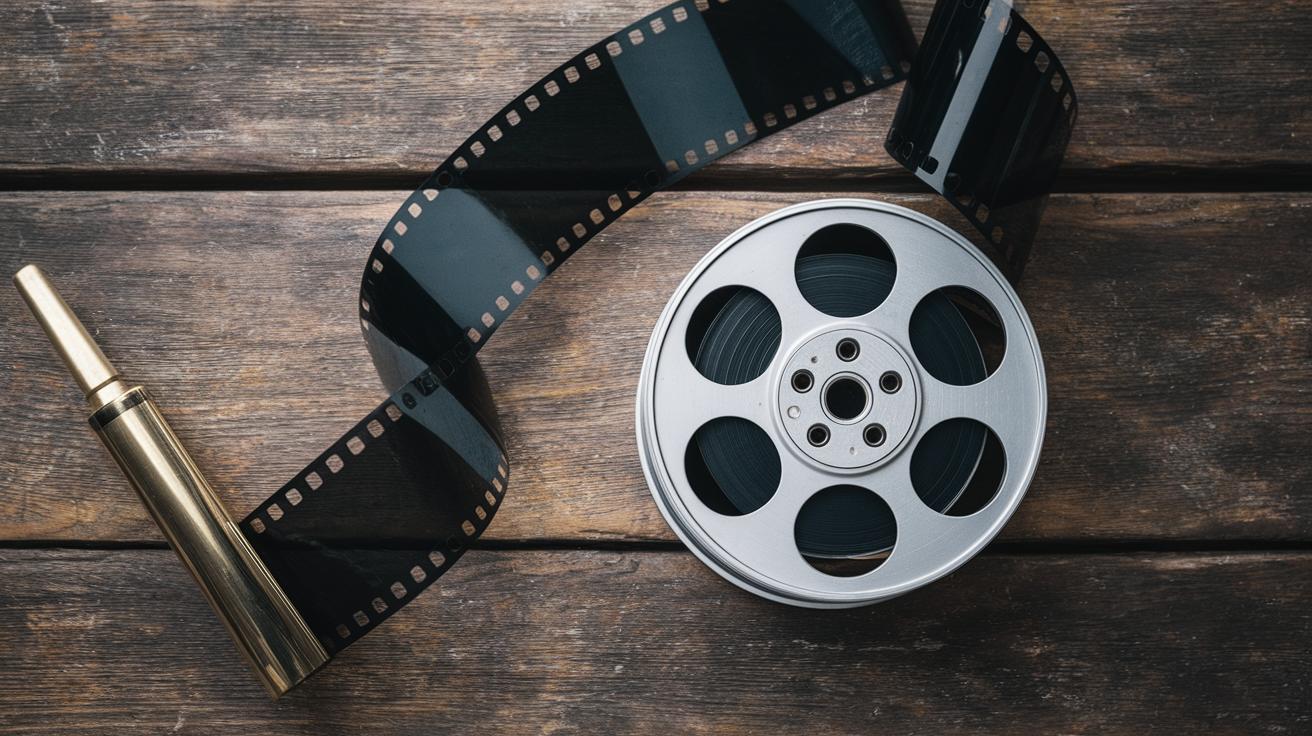
Restoring Old Film Reels: Techniques & Tips
Old film reels hold a treasure trove of historical, cultural, and personal memories. As technology rapidly advances, it’s crucial to preserve these tangible links to the past. This blog post explores essential techniques for restoring old film reels and converting them to digital formats. You’ll learn about maintaining optimal storage conditions, the significance of preservation, and the process of digital conversion. Additionally, the post highlights the importance of backup copies, helping you ensure that invaluable memories are safeguarded for the future. Whether you’re a history buff or someone looking to preserve family heritage, this post will guide you through the steps necessary to keep old film reels alive in a digital age.
Keep the Environment Clean
Preserving old film reels begins with maintaining a clean environment. Dust and dirt can wreak havoc on the delicate surface of film, leading to deterioration and loss of visual clarity. Ensure the area where the film is stored is regularly cleaned. Using air purifiers and filters can help maintain a dust-free environment, safeguarding the film’s integrity.
Avoid handling film reels with bare hands as natural oils from the skin can damage them over time. Instead, use clean, cotton gloves or specialized film-handling gloves. By creating a controlled, clean environment, you extend the life of these precious reels significantly.
Keep Away From Sunlight and Moisture
Sunlight and moisture are two of the biggest adversaries of old film reels. Prolonged exposure to direct sunlight can cause fading, while moisture can lead to mold growth and emulsion breakdown. Store film reels in a cool, dry place, ideally in a room with controlled temperature and humidity levels.
Use archival-grade storage containers that offer protection against external elements. These containers prevent fluctuations in temperature and humidity, creating a stable environment. Remember that consistent storage conditions are key to preserving the quality of old film reels over time.
Make Back-Up Copies
Backing up old film reels is a critical step in preservation. Creating duplicates ensures that the content is not lost forever should the original suffer damage or decay. Using high-quality materials for backup copies can preserve details that might otherwise degrade over time.
As technology evolves, the opportunity to digitize film reels provides an effective means of preservation. Digital copies can be stored in multiple locations, reducing the risk of total data loss. Regular checks to ensure the integrity of back-up copies are important, ensuring these duplicate records remain viable long into the future.
Every Old Film Reel Has A Story; Preserve Them Today with 8MM To Digital Conversion
Old film reels are not just physical objects; they are carriers of stories—personal and historical narratives that deserve to be preserved. Converting 8MM film reels to digital formats enables these stories to live on, transcending the limitations of aging film materials.
Digital conversion captures every detail, preserving moments once thought lost to time. By undertaking this process, you’re safeguarding not just a film reel but a piece of history that can be shared with future generations, ensuring stories are remembered and passed down.
The Historical Significance of 8MM Film Reels
The 8MM film format, once a popular medium for home movies and amateur filmmakers, played a pivotal role in documenting the 20th century’s many cultural and personal milestones. These films offer a glimpse into the past through the lens of history’s everyday storytellers.
Films shot on 8MM reels capture moments in time that may not exist elsewhere, from family gatherings to public events. Preserving these reels ensures that unique perspectives and narratives are retained, contributing to a richer understanding of both personal and shared histories.
The Dangers of Aging 8MM Film Reels
As film reels age, they become susceptible to various forms of degradation. Vinegar syndrome, a form of acetate film deterioration, occurs when the film base begins breaking down, emitting a vinegar smell. This condition, among others, signifies that the film is at risk of being lost.
Physical damage such as tears, scratches, and fading can occur over time, compounded by suboptimal storage conditions. Identifying and addressing these issues promptly is crucial in preventing irreparable harm.
How 8MM to Digital Conversion Works
The 8MM to digital conversion process involves several steps to ensure the film’s content is accurately transferred and preserved. The first step is cleaning the film to remove dust and debris, which prepares it for scanning.
Specialized equipment is used to capture each frame digitally. Advanced software then processes these digital images to restore and enhance them, bringing new life to the footage without altering its original character. The result is a digital file that is easy to share and archive.
The Benefits of 8MM to Digital Conversion
Digital conversion offers numerous benefits for preserving old film reels. It creates a file that can be easily accessed, duplicated, and shared, reducing the risk of loss inherent to physical media. Digital files are immune to the common issues that plague physical film, such as fading and physical degradation.
By converting to digital, you also open up possibilities for editing and enhancing footage, which can revitalize old content and make it more engaging for modern viewers. This process fosters greater accessibility, allowing stories to reach wider audiences across digital platforms.
Preserving Your Family’s History
For many, old film reels serve as visual heirlooms, containing cherished family memories. By converting these reels to digital formats, families can better preserve their legacies, ensuring that precious moments are not lost to time.
Digital preservation allows families to share their histories with future generations, providing them an opportunity to engage with their heritage in meaningful ways. Viewing a digitized family history can strengthen connections and create a deeper sense of belonging and appreciation of one’s roots.
Choosing an 8MM to Digital Conversion Service
When selecting a conversion service, it’s essential to evaluate the options available carefully. Consider services that use high-quality scanning and processing techniques to ensure that the digital output is faithful to the original.
Researching customer reviews and testimonials can provide insights into the reliability and quality of a service. Ensure that the service provider offers multiple storage options for digital files, including cloud storage, to safeguard against future data loss.
Final Thoughts
| Technique | Description |
|---|---|
| Keep the Environment Clean | Maintain a dust-free space to protect reels from damage. |
| Keep Away From Sunlight and Moisture | Store in cool, dry places to prevent fading and mold. |
| Make Back-Up Copies | Create digital backups to prevent loss of content. |
| 8MM To Digital Conversion | Convert film to digital to preserve content and aid accessibility. |
| Historical Significance | 8MM films capture unique historical perspectives. |
| Dangers of Aging | Identify and address degradation to prevent damage. |
| Choosing a Service | Selecting a reliable conversion service ensures quality results. |
Frequently Asked Questions
Q: How do I know if my film reels are deteriorating?
A: Signs of deterioration include a vinegar-like smell, discoloration, brittleness, or physical damage like warping.
Q: What should I look for in a digital conversion service?
A: Look for services that offer high-resolution scanning, experienced technicians, and good customer reviews.
Q: Is digital conversion a permanent solution?
A: While digital files can be susceptible to corruption, regular backups and updating storage media reduce risks significantly.