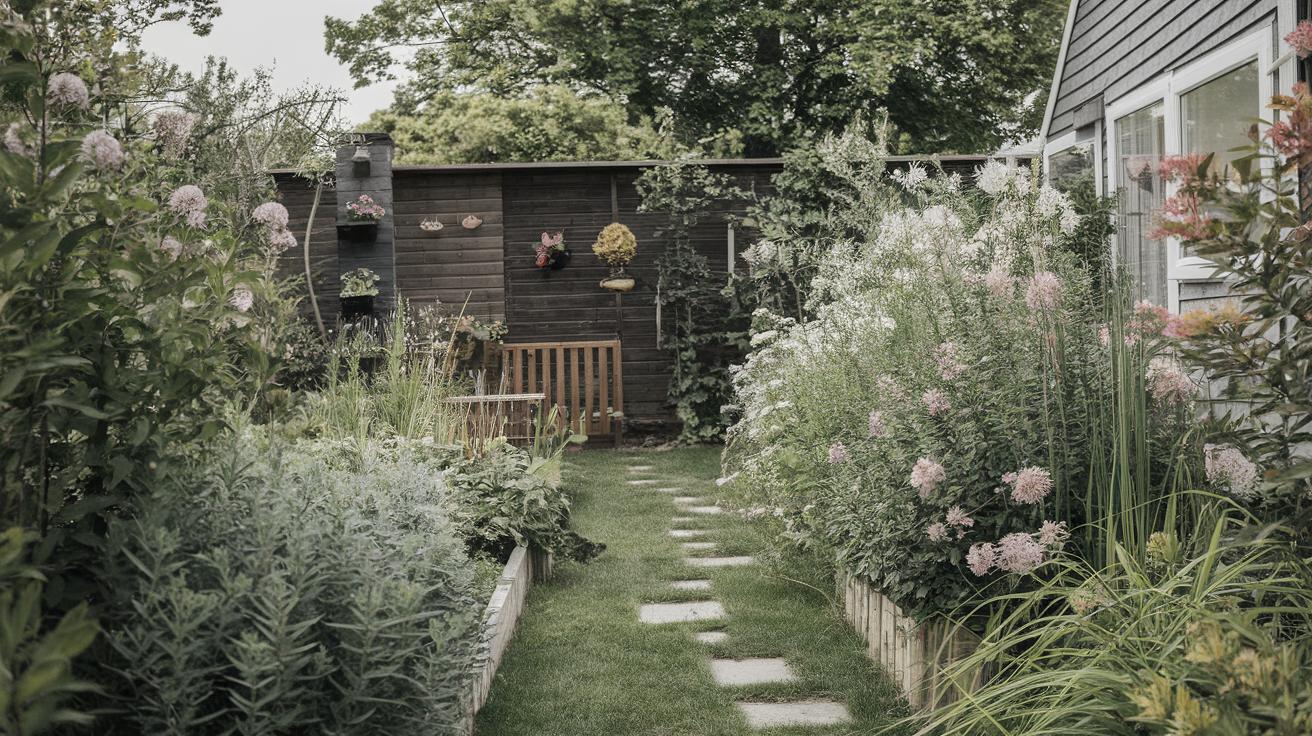
Steps to Refurbish a Neglected Garden
A neglected garden can often seem like an overwhelming project, but with a systematic approach, it can be transformed into a lush and inviting space. Whether you’ve just moved into a home with an overgrown yard or you’re looking to spruce up your curb appeal, this guide provides you with a step-by-step process to rejuvenate your garden. By assessing and prioritizing your needs, decluttering, enriching the soil, and selecting the right plants, you can breathe new life into your outdoor area. Follow these steps closely to achieve a garden that not only enhances the beauty of your home but also becomes a haven for relaxation and enjoyment. This guide will walk you through each stage, from initial assessment to the joy of planting and nurturing, ensuring a thriving garden that reflects vision and care.
New Home, Neglected Garden? Or Ready to Up Your Curb Appeal?
Moving into a new home or deciding to enhance your property’s appearance often brings several projects to the fore, and one of the most rewarding can be transforming a neglected garden. An overgrown or unkempt garden not only detracts from the beauty of your home but may also lower its value. The task may appear daunting at first, but with patience, careful planning, and a bit of hard work, you can turn it into a green oasis.
Whether you’re starting from scratch or rehabilitating an existing garden, the key initial step is to visualize the potential in your space. Before diving into the hands-on work, take some time to dream up the possibilities that your garden holds. Explore gardening magazines or online platforms, gather inspiration, and note down what catches your imagination. Your dream garden awaits beneath what may initially appear as a jungle of weeds and unruly shrubs.
Step 1: Assess and Prioritize
Begin your garden transformation by thoroughly assessing your current space. Walk through your garden and take note of problem areas such as diseased plants, damaged structures, and invasive weeds. Consider the existing trees and bushes and decide which ones you want to retain, prune, or remove entirely. This initial assessment will help you understand the scope of work and allow you to prioritize the tasks.
Prioritizing is crucial because it enables you to allocate your resources efficiently and tackle the project in manageable stages. Focus on critical areas such as addressing safety concerns like protruding roots or unstable trees, which could be hazardous. Break down the project into sections, starting from the top of your list and tackling one area at a time. This organized approach minimizes overwhelm and creates a clear roadmap towards rejuvenating your garden.
Step 2: Declutter and Conquer the Weeds
Before you can implement new design ideas, it’s important to clear the clutter in your garden. Begin by removing any debris such as fallen branches, leaves, and garbage that might have accumulated over time. Decluttering paves the way to see the space clearly and prepares the ground for any further landscaping or planting projects.
Weeds can be relentless foes in garden refurbishment. Use appropriate weeding tools or a hoe to uproot them, and consider mulching afterward to prevent new weeds from sprouting. Mulching not only suppresses weeds but also retains soil moisture, giving your future plants a favourable environment to thrive. Addressing weeds early in the refurbishment process sets the foundation for a healthy and vibrant garden.
Step 3: Repair and Rejuvenate the Soil
Healthy soil is the bedrock of a flourishing garden. Conduct a soil test to determine its pH level and nutrient content. Such assessments provide insights into what your soil needs to support plant growth, whether it requires balancing pH with lime or improving fertility with compost or fertilizers.
Incorporating organic matter, such as well-aged compost or manure, is an excellent way to rejuvenate tired soil. These additions improve the soil structure, enhance moisture retention, and supply essential nutrients. Double digging, a method of breaking up the soil to a depth of two spade lengths, can also help aerate and loosen compacted areas, providing a welcoming environment for new plants.
Step 4: Define the Space & Address Hardscaping
Define & Divide:
Defining your garden space is essential to ensure both functional and aesthetic appeal. Consider creating zones within your garden, such as flower beds, vegetable plots, and entertainment areas. Use pathways, edging, or even low fencing to create these divisions. Not only does this add structure, but it also makes maintenance easier by confining different activities to distinct areas.
Thoughtful garden zoning allows you to maximize the utility of your space. For instance, placing a vegetable garden in a sunny area will improve crop yield, while a shaded nook can serve as a cozy relaxation corner. By dividing your garden, you can focus your efforts where they are needed most, resulting in a cohesive and harmonious outdoor space.
Beyond the Basics: Consider incorporating:
Once you have the basic layout decided, think about the hardscaping elements that can elevate the scenery. Features like patios, decks, arbors, or water fixtures can add an element of sophistication and functional living space to your garden.
Introducing such elements requires careful planning and consideration of your available budget, but they can significantly enhance the garden’s usability and charm. Choose materials that harmonize with your home and surrounding landscape, ensuring that your hardscape is not only a visual delight but also stands the test of time.
Step 5: The Fun Part – Plant Selection!
Consider Your Conditions:
Selecting appropriate plants is a pivotal part of creating a thriving garden space. Begin by considering the climate and light conditions of your area. Choose plants that are well-suited to your local environment, taking note of their water and sunlight requirements.
Investigate perennials, annuals, and shrubs that would suit your garden’s style, and remember to consider their mature size to prevent overcrowding. Group plants with similar needs together to streamline maintenance and ensure that each one can flourish in the shared environment.
Practical Meets Pretty:
Beyond aesthetic appeal, think about practical planting, such as incorporating edible plants or herbs that can enrich your kitchen. They not only add a layer of utility to your garden but also attract beneficial insects that keep pests at bay.
Even within the ornamental spectrum, plants can serve dual purposes. Consider varieties that offer food for local wildlife or have naturally pest-repelling properties, which can contribute to a healthy ecological balance in your garden.
Resources are Your Friend:
Don’t hesitate to utilize resources such as local botanical gardens, plant nurseries, or gardening books to widen your understanding and gain inspiration. These can provide valuable insights into which plants might thrive best in your area and help you make informed decisions.
Engaging with garden communities, whether online or in person, offers networking opportunities with fellow enthusiasts who can share their experiences and tips, accelerating your learning curve and enhancing your gardening skills.
Step 6: Planting, Nurturing, and Enjoying
With your plans in place, it’s time to plant. Follow the spacing and depth instructions for each species meticulously to ensure they establish well. Water all newly planted additions adequately and adopt a regular care routine, including mulching, fertilizing, and trimming as needed.
Nurturing your garden involves consistent care and observation. Keep an eye out for signs of pests or disease and address any issues promptly to prevent them from spreading. Enjoy the satisfaction of watching your garden grow and evolve, as well as the pleasures it brings through the changing seasons.
More Tips for Success:
Be patient and flexible in your approach to gardening. Nature offers inherent unpredictability, and sometimes plans may need adjusting. Adaptability is your ally, as is a willingness to learn from each season’s experience.
Remember that gardening is as much about the journey as the destination. Engage with it as a form of relaxation and discovery, and rejoice in the joy that comes with stewardship of the land.
Next Steps
| Step | Action | Key Considerations |
|---|---|---|
| 1 | Assess & Prioritize | Take stock of existing plants and problem areas. |
| 2 | Declutter & Conquer the Weeds | Remove debris and weeds to ready the garden for planting. |
| 3 | Repair & Rejuvenate Soil | Test soil, add compost, and prepare for healthy growth. |
| 4 | Define Space & Address Hardscaping | Create garden zones and consider hardscaping options. |
| 5 | Plant Selection | Choose plants that suit your climate and aesthetic goals. |
| 6 | Planting & Nurturing | Establish plants and maintain with regular care. |