Cork flooring is a durable and eco-friendly choice for many homes and commercial spaces. Over time, wear and tear can take their toll on these surfaces, but repairing and restoring cork floors can bring them back to life. In this guide, we’ll explore what cork flooring is, assess its condition, and delve into the step-by-step process of restoring them to their former glory. From cleaning and repairs to professional tips, this article is your comprehensive resource for cork floor care.
What is Cork Flooring?
Cork flooring is a natural, sustainable flooring material derived from the bark of cork oak trees. Known for its durability, comfort underfoot, and insulating properties, cork is an excellent choice for a range of environments. It’s available in a variety of colors and patterns, allowing for versatile design options in any space.
The manufacturing process involves stripping the bark of cork trees without harming the tree itself, making cork flooring an environmentally friendly option. The harvested cork is then ground, compressed, and formed into sheets bonded with resins. These sheets can be cut into tiles or planks, which are then used for flooring.
Assessing the Condition of Your Cork Floors
Before embarking on a restoration project, it’s important to assess the condition of your cork floors. Look for signs of damage, such as scratches, dents, or discoloration. Identifying these issues early will help determine the extent of the restoration work needed and the appropriate methods to use.
In some cases, the wear may be superficial, requiring only a good cleaning and minor repairs. However, more extensive damage might necessitate a complete restoration process involving sanding and refinishing. Proper assessment ensures a tailored approach that meets the specific needs of your cork floor.
Preparing for Restoration
Preparation is key to a successful floor restoration project. Begin by removing all furniture and rugs from the area to provide a clear space to work. It’s also advisable to clean the floor thoroughly to remove any dust or debris that could interfere with the restoration process.
Ensure adequate ventilation by opening windows or using fans, as some restoration processes may involve the use of products with strong odors. Gathering all necessary tools and materials beforehand will streamline the restoration process, allowing for efficient and uninterrupted work.
Cleaning and Repairing Cork Floors
1. Cleaning:
Regular cleaning is essential in maintaining the appearance and longevity of cork floors. Begin by sweeping or vacuuming the floor to remove loose dirt and debris. Use a damp mop with a gentle cleaner designed for cork floors to avoid damage. Avoid soaking or overly wet mopping, as excessive moisture can harm cork.
For stubborn stains, consider using a vinegar solution or a specific cork cleaner, following the manufacturer’s instructions. Always perform a patch test in an inconspicuous area to ensure the cleaner does not discolor the flooring.
2. Repairing:
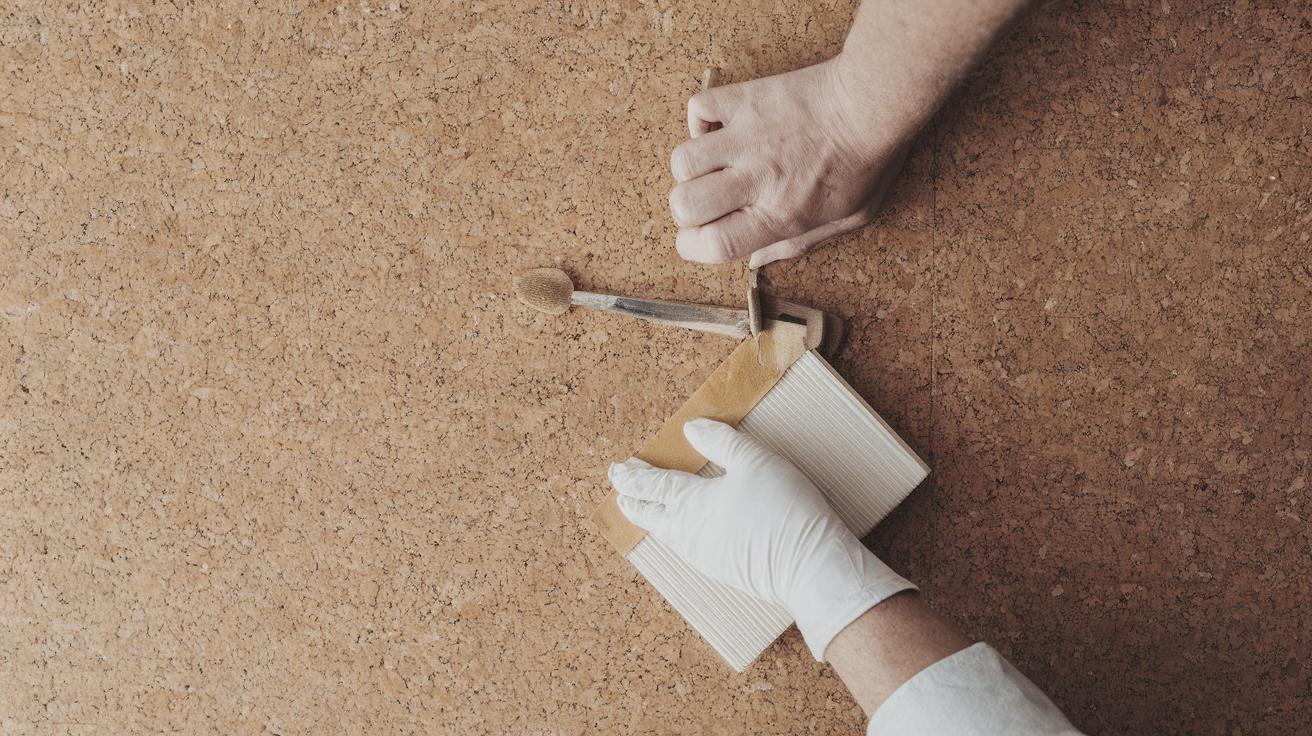
Minor scratches or dents in cork flooring can often be repaired with wax or a touch-up kit available from flooring suppliers. Apply as instructed, smoothing the surface and blending the repair to match the existing floor.
In cases where the cork is lifting or has more serious damage, consider replacing affected tiles or planks. Ensure replacement pieces are acclimated to the room’s conditions before installation to prevent future lifting or misalignment.
Restoring and Polishing Cork Floors
1. Restoration Process:
Cork floors that have lost their luster can benefit from a full restoration. Begin by lightly sanding the surface with fine-grit sandpaper to remove the top layer of finish and expose fresh cork. This process requires care to avoid removing too much material.
Once sanded, clean the floor thoroughly before applying a new coat of sealer or polyurethane. This protective layer enhances the floor’s appearance and provides additional protection against wear and moisture. Allow sufficient drying time as recommended by the product used, before returning furniture to the room.
2. Hiring Professional Floor Polishing Geelong Services
For extensive restoration projects or when seeking optimal results, consider hiring professional floor polishing services. Experts in floor care can efficiently restore the beauty of cork floors using specialized tools and techniques.
Professional services not only save time and effort but also ensure the restoration is completed to a high standard. If opting for this route, look for reputable flooring specialists with positive reviews and a proven track record in cork floor restoration.
How to Maintain Cork Flooring?
Maintaining cork flooring ensures its durability and timeless appeal. Regularly sweeping, vacuuming, and damp mopping help keep the surface clean and minimize wear. It’s crucial to address spills promptly to prevent staining.
Use furniture pads to protect the flooring and avoid dragging heavy items across the surface. Consider placing mats or area rugs in high-traffic zones to provide additional protection. Reapply sealant periodically to maintain the finish and prolong the floor’s lifespan.
Lessons Learned: Summarizing Cork Floor Care
| Aspect | Details |
|---|---|
| Cleaning | Regular sweeping/vacuuming, damp mopping with gentle cleaner |
| Repairing | Wax/touch-up kits for scratches, replace damaged tiles/planks |
| Restoring | Light sanding, apply new sealant or polyurethane |
| Professional Services | Consider professional restoration for best results |
| Maintenance | Prompt spill cleanup, use furniture pads, periodic sealant application |