Common Techniques for Restoring Metal Objects
Restoring metal objects, whether they are exquisite sculptures or valuable antiques, is an art that requires patience, precision, and expert knowledge. The process involves understanding the ideal environmental conditions for preserving metal surfaces, tackling corrosion effectively, and employing appropriate cleaning techniques. Handling these cherished items with care is paramount, as is regular maintenance—especially for outdoor pieces. In this comprehensive guide, we delve into practical strategies for restoring metal objects and introduce you to expert restoration services. We also explore related restoration techniques across various art forms, offering a broad perspective on the art of preservation.
Environmental conditions for metal antiques and sculptures
Metal antiques and sculptures are highly susceptible to environmental factors such as humidity, temperature fluctuations, and air pollution. To preserve their integrity, it’s essential to maintain a stable environment. Ideally, relative humidity should be kept between 35-55%, and temperature changes should be minimal to prevent stress on the metal.
Placement is also crucial; keep metal objects away from windows to avoid direct sunlight and exposure to moisture from open windows or leaks. Implement air filtration systems if possible to minimize exposure to pollutants and dust, which can accelerate corrosion.
How to deal with corrosion
Corrosion is the gradual degradation of metals due to reactions with environmental elements like oxygen and moisture. To address corrosion, the first step is assessing the extent of damage. Minor corrosion can often be treated with gentle cleaning, using products like non-metallic brushes or mild solvents designed for metals.
For severe corrosion, professional intervention might be necessary. Experts can employ methods like electrolytic reduction or chemical baths to safely remove rust while preserving the metal’s patina. Regular inspections and preventative care can greatly reduce the risks of severe corrosion.
How to handle metal antiques and sculptures
The way antiques and sculptures are handled can significantly impact their longevity. Always wear cotton gloves when touching metal objects to prevent oils and acids from your skin causing harm. If gloves are not available, ensure hands are clean and dry.
Support the entire piece while moving it—a common mistake is to pick it up by protruding parts, such as a handle or limb, which can cause structural damage. When moving a large item, enlist the help of others to avoid stress and potential damage.
How to clean metal antiques and sculptures
Cleaning metal antiques requires a gentle touch. Begin with a soft, lint-free cloth to remove surface dirt and dust. For metals prone to tarnish, such as silver, use a specialized metal polish sparingly; overuse can damage the surface.
Avoid abrasive materials, as they can scratch the metal. For persistent stains or grime, a mild detergent diluted in water may be used, but ensure the metal is thoroughly dried to prevent water-induced corrosion.
Caring for outdoor metal antiques and sculptures
Outdoor metal objects face additional challenges due to exposure to the elements. Regularly inspect these items for signs of corrosion and wear. Applying a protective wax or sealant can offer a barrier against moisture and pollutants.
Consider repositioning outdoor pieces seasonally to mitigate the effects of weather changes. When exposure to harsh environments is unavoidable, consult with experts about potential coatings or treatments that can mitigate damage.
Metal antique and sculpture restoration
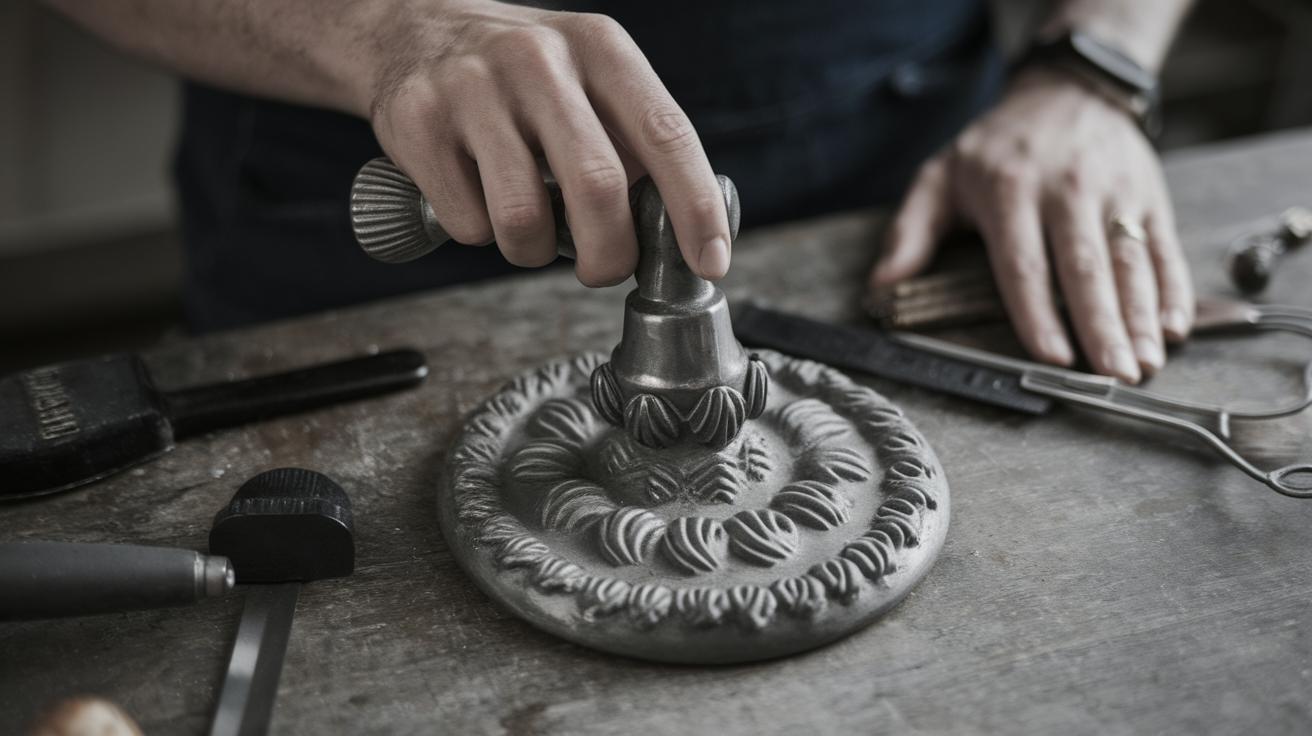
Sometimes, the best course of action is professional restoration. Professionals can provide techniques such as laser cleaning, which uses focused laser beams to remove layers of corrosion without damaging the underlying material.
Professional restoration not only revives the appearance of an object but can also preserve historical and cultural value. Restorers work to maintain originality, ensuring minimal intervention that aligns with the artifact’s history.
Contact our team for further information
Contact us
For comprehensive restoration services and advice on preserving your metal antiques and sculptures, contact our team. We offer expert consultation and restoration, tailored to the specific needs of your precious items. Visit our website or call us to learn more!
Related Posts
Banksy goat rescue: removing and restoring street art at Kew Bridge
Explore the delicate process of preserving urban street art, focusing on Banksy’s famous goat mural.
Sheila Fell: restoring Cumbria on canvas
A look into the restoration of Sheila Fell’s paintings, capturing the essence of Cumbria.
Charger plates: the history and restoration of antique tableware
Delve into the intricacies of restoring and preserving these elegant tablewares.
Sipping in style: tea caddy restoration, history and preservation
Learn about the history and restoration techniques for antique tea caddies.
Gleaming gouache: the history, care and restoration of gouache on paper
This post explores the vibrant art of gouache painting and the restoration of gouache artworks.
Valuable vessels: the history, value and restoration of ceramic vases
Discover the artistry and restoration of ceramic vases from various cultural backgrounds.
Lessons Learned
| Topic | Key Points |
|---|---|
| Environmental conditions for metal antiques | Maintain stable humidity and temperature; avoid direct sunlight and pollution. |
| Dealing with corrosion | Assess damage severity; use gentle cleaning and seek expert intervention for severe cases. |
| Handling metal antiques | Wear gloves, support the entire piece, and move carefully to prevent damage. |
| Cleaning metal antiques | Use soft cloths, mild detergents, and avoid abrasive tools to prevent surface damage. |
| Caring for outdoor metal objects | Regular inspections, apply protective sealants, and consider seasonal repositioning. |
| Restoration techniques | Professionals use techniques like laser cleaning and ensure minimal intervention to maintain authenticity. |