How to Maintain Restored Gardens and Landscapes
Restoring a garden or landscape can be a rewarding process, breathing new life into areas that were once forgotten or neglected. However, maintaining these restored spaces requires ongoing care and attention to ensure their vitality and longevity. In this article, we’ll delve into what defines a mature garden and share practical tips for its upkeep, including weed management, soil refreshment, and care for perennials. Additionally, we’ll provide insight into common questions about garden maturity and transformation. Whether you’re a seasoned gardener or a curious novice, these insights will inspire you to nurture your outdoor oasis.
What Is A Mature Garden?
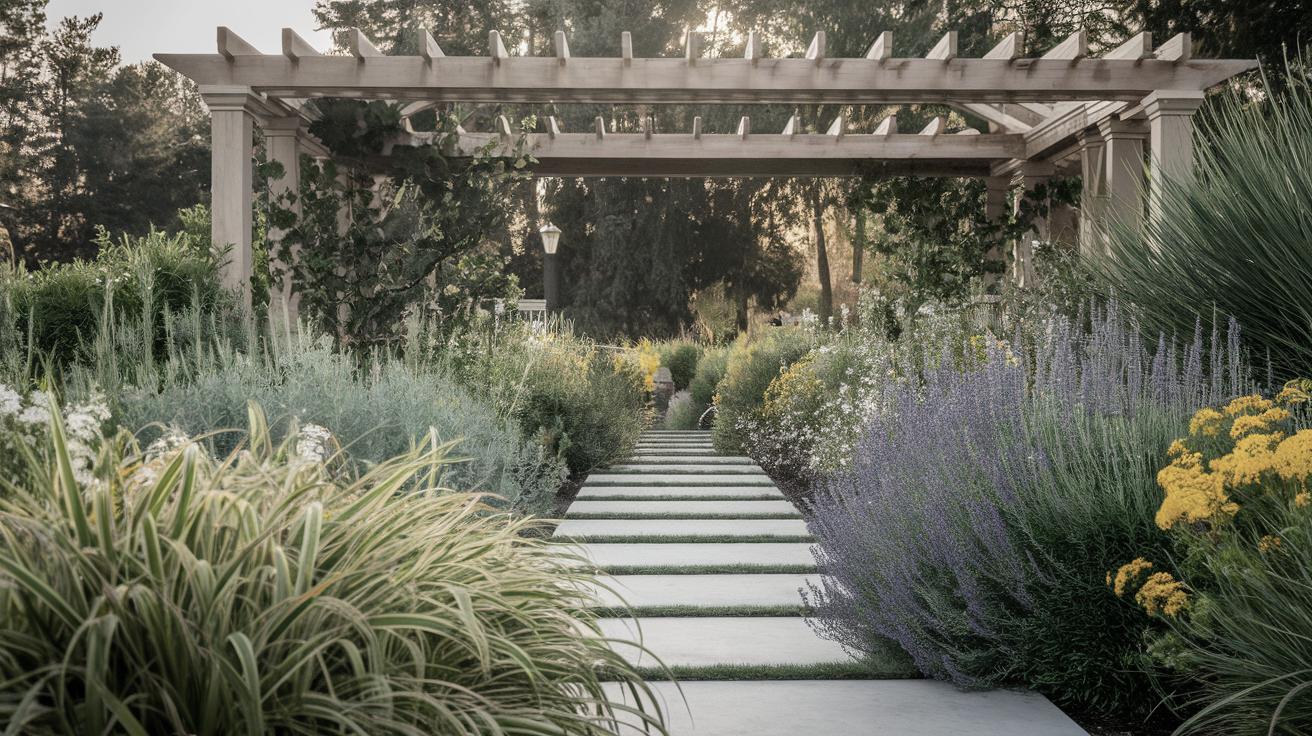
A mature garden is one that has reached its full potential in terms of growth, design, and ecological balance. This is typically marked by fully established plants, a harmonious layout, and an ecosystem that supports a variety of insects and wildlife. Mature gardens often display a blend of both cultivated and natural elements, presenting an inviting and serene environment.
Unlike newly planted gardens, mature gardens require a different approach to maintenance. The focus shifts from frequent planting and designing to fine-tuning and sustaining the existing setup. Mature gardens become self-sustaining to some extent, reducing the need for constant intervention but necessitating a keen eye for periodic adjustments to maintain their beauty and health.
How To Care For A Mature Garden
Wait, Watch, And Work With It
One of the key aspects of maintaining a mature garden is patience. Gardens change with seasons and weather conditions, requiring a gardener to observe before acting. Waiting and watching how different elements of the garden react to these changes can provide valuable insights into the needs of the plants and soil.
Working with a mature garden also means respecting its established dynamics. Instead of imposing drastic changes, aim to perform subtle interventions that support its natural development. This might include adjusting watering schedules or introducing complementary plant species subtly to maintain ecological harmony.
Weed Regularly
Despite the maturity of a garden, weeds can still pose a threat to its health and appearance. Regular weeding is essential, especially in spring and summer when weeds are most prolific. Removing weeds promptly prevents them from competing with desired plants for nutrients and water.
Incorporate mulching into your weed management strategy. Mulch not only suppresses weed growth but also aids in retaining soil moisture and improving its quality over time. A layer of organic mulch provides added benefits as it decomposes, enriching the soil with nutrients.
Refresh Soil In Older Beds
As plants grow and mature, they continuously extract nutrients from the soil. Over time, this can lead to nutrient depletion, especially in perennial beds. Refreshing the soil by amending it with organic compost or well-rotted manure can rejuvenate the nutrients, promoting healthy plant growth.
Soil aeration is equally important when maintaining older garden beds. This process involves loosening compacted soil, allowing air, water, and nutrients to penetrate more effectively. Regular aeration is key to fostering a healthy root environment for mature plants.
Take Care Of Perennials
Perennials are the backbone of a mature garden, offering consistent beauty and structure across seasons. Ensuring their health involves periodic division and replanting to prevent overcrowding and maintain vigor. Late autumn or early spring are ideal times for dividing perennials, promoting better airflow and reducing the risk of disease.
In addition to division, perennial care includes deadheading to encourage further blooming and applying fertilizers as needed. Tailor your approach based on the specific needs of the species in your garden, focusing on maintaining robust and thriving growth.
Refresh Turf Grass
A well-maintained lawn complements any mature garden, providing lush greenery that frames your plants. Depending on the grass species, techniques like aeration, overseeding, and applying seasonal fertilizers can keep your turf grass in peak condition.
Consider environmentally-friendly practices, such as adjusting mower blades to higher settings to promote healthier growth and biodiversity. Likewise, choose fertilizer options that enhance soil health without contributing to runoff and environmental damage.
Gardening Tips, Videos, Info, And More Delivered Right To Your Inbox!
Staying informed and inspired is crucial for any gardener. Consider subscribing to newsletters or gardening platforms that deliver tips, video tutorials, and essential information straight to your inbox. These resources offer a wealth of knowledge, providing guidance tailored to your specific gardening zone and needs.
Engage with online gardening communities and forums to exchange insights and experiences with fellow enthusiasts. These interactions can introduce you to new techniques, tools, and trends that rejuvenate your approach to garden maintenance and design.
Frequently Asked Questions
How Many Years Does it Take for a Garden to Mature?
The time it takes for a garden to reach maturity varies greatly depending on factors like plant species, climate, and care. Generally, a garden may take between five to ten years to mature fully. During this period, plants establish themselves, forming a stable structure that defines a mature garden.
Some fast-growing species may mature quicker, while others, particularly woody plants and trees, may take many years before reaching their full potential. Understanding the specific growth cycles and timelines of your garden’s plants is essential in predicting and appreciating its maturation process.
How Do You Make Your Garden Look Older?
Creating the appearance of an older garden involves incorporating elements that suggest maturity and time. Planting larger shrubs and trees can give an immediate sense of age, while choosing diverse layers of vegetation can mimic natural development.
Introduce weathered materials such as stone pathways, rustic garden furniture, or aged planters to add to the garden’s character. Strategically placed moss or lichens on stone surfaces also contribute to the illusion of an established, time-honored landscape.
Next Steps
| Aspect | Details |
|---|---|
| What Is A Mature Garden? | Mature gardens are established ecosystems requiring thoughtful maintenance rather than frequent redesign. |
| Care for Mature Gardens | Includes observation, weeding, soil refreshments, perennial care, and lawn maintenance. |
| Gardening Resources | Encourages subscribing to informational content and engaging with gardening communities for ongoing learning. |
| FAQs | Discusses garden maturation timelines and tips for achieving an aged appearance. |