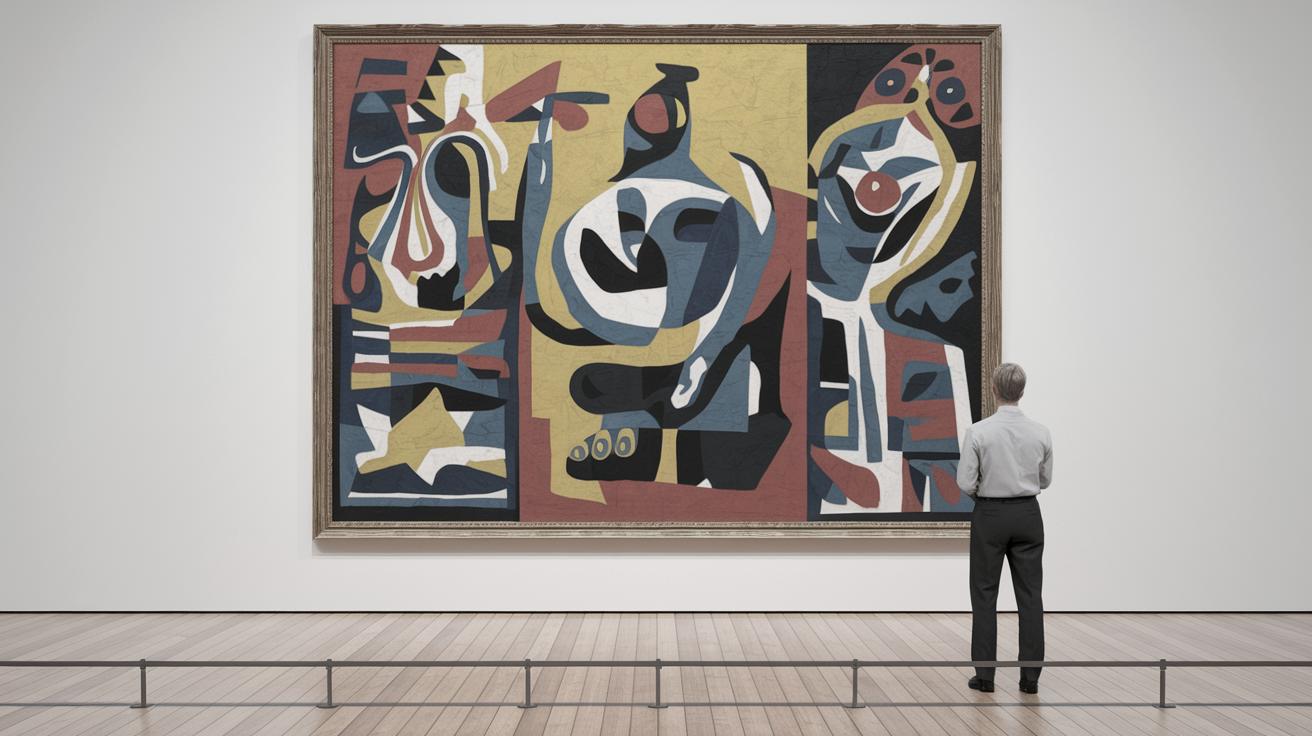
Challenges of Restoring Modern Art: A Comprehensive Exploration
Restoring modern art requires a careful blend of cutting-edge technology and artistic intuition. While advancements such as 3D modeling and nanotechnology offer new ways to address the unique challenges of contemporary artworks, restoration efforts are often fraught with controversies. Debates over preservation versus authenticity and broader ethical implications in the digital age persist. This article explores how technology is reshaping the restoration process, examines infamous cases of restoration mishaps, and navigates the delicate balance between maintaining a work’s integrity and embracing modern techniques. As the field evolves, it remains both a beacon of innovation and a lightning rod for debate, prompting critical discussions about the responsibilities of conservationists now and in the future.
How Technology is Changing the Art Restoration Process
Modern technology is revolutionizing the art restoration landscape, transforming traditional methods with cutting-edge advancements. Art conservators now have access to tools and techniques that allow for more precise and less invasive restoration processes. High-resolution imaging, infrared reflectography, and digital mapping help experts uncover underlying sketches and compositions hidden beneath the visible layers of artwork. These technologies not only aid in understanding an artist’s original intent but also guide restorers in making informed decisions.
The use of artificial intelligence (AI) and machine learning in art restoration is another technological breakthrough. AI algorithms analyze vast amounts of data to predict the likely appearance of faded or damaged sections of art. This ability to simulate and visualize potential restoration outcomes can dramatically improve the accuracy of interventions. As a result, the possibility of providing near-authentic restorations becomes increasingly feasible, marking a significant leap forward in the field.
3D Modeling and Nanotechnology: The Future of Sculptural Restoration
3D modeling and printing have opened a realm of possibilities for restoring three-dimensional artworks, such as sculptures and installations. The capability to create precise replicas of damaged or missing components allows restorers to seamlessly integrate new materials into original structures. This technology is especially valuable for art that has suffered extensive damage, offering opportunities for reconstruction that were previously unimaginable.
Simultaneously, nanotechnology is emerging as an innovative force in the field of art conservation. Nanomaterials offer enhanced properties for cleaning and reinforcing artworks, providing targeted interventions that preserve the integrity of the original mediums. This technology allows conservators to tackle issues like paint degradation or metal corrosion with unprecedented precision, ensuring long-lasting preservation solutions that were not viable with traditional methods.
The Controversies: Restorations Gone Wrong
Despite technological advancements, art restoration remains susceptible to human error and subjective judgment, often sparking public controversy and debate. Infamous cases of restoration gone wrong remind us of the delicate balance conservators must maintain between intervention and preservation. Restorations that drastically alter an artwork’s appearance can result in public outcry, as seen in the often-cited case of the failed fresco restoration in Spain.
Such incidents highlight the importance of transparency and collaboration in restoration projects. Engaging experts from various disciplines and obtaining input from stakeholders, including the public, can mitigate the risk of controversial outcomes. Public scrutiny serves as a valuable oversight mechanism, ensuring that restoration practices adhere to the highest ethical and professional standards.
The Art of Restoration: Balancing Preservation and Authenticity
The philosophical debate between preservation and authenticity represents a fundamental challenge in art restoration. Conservators must navigate the complex landscape of maintaining an artwork’s original intent while adapting to contemporary conservation practices. Authenticity is often viewed as the cornerstone of an artwork’s historical and cultural value; however, preserving these attributes can be difficult when dealing with modern materials that degrade rapidly.
Striking a balance between restoring a piece to its former glory and preserving the artist’s original vision requires sensitive judgment. This process often involves making difficult decisions about which elements to restore, replace, or leave untouched. Consequently, art restoration is as much about scientific rigor as it is about artistic intuition, making it an ever-evolving field guided by both empirical evidence and aesthetic considerations.
Broader Ethical Concerns in the Digital Age
The digital age presents new ethical challenges for art restoration, as the increased accessibility of digital art forms blurs boundaries and complicates preservation efforts. Digital artworks, tied intrinsically to their original hardware and software, pose unique challenges when these elements become obsolete. Changes in technology demand novel approaches to ensure the longevity and authenticity of digital artworks.
In this rapidly changing environment, conservators must grapple with questions regarding the authenticity of digital art recreations and the broader implications of digital restoration efforts. Considerations about intellectual property rights, artist intent, and public access further complicate the ethical landscape, underscoring the need for clear guidelines and collaborative efforts to address these intricate issues.
A Field Shaped by Innovation and Controversy
The field of modern art restoration is defined by a dynamic interplay of innovation and controversy. As technologies advance, restorators face ongoing provocations in adapting novel interventions within the context of historical and aesthetic fidelity. The future of art restoration lies at the crossroads of scientific discovery and historical preservation, where each innovation challenges traditional boundaries and invites informed debate.
This landscape of innovation and controversy calls for continuous dialogue among conservationists, scholars, artists, and the broader public. Engaging diverse perspectives enriches the field, ensuring that restoration efforts not only honor individual artworks but also cultivate a deeper understanding of cultural heritage. As the field progresses, it must navigate these contentious waters, balancing technological advancements with respect for historical authenticity and integrity.
| Aspect | Details |
|---|---|
| Technological Advancements | Incorporation of AI, machine learning, 3D modeling, and nanotechnology in restoration processes. |
| Controversies in Restoration | Public outcry over improper restorations; importance of transparency and collaboration. |
| Preservation vs. Authenticity | Challenges in maintaining original intent while utilizing modern restoration techniques. |
| Ethical Concerns | Intellectual property, artist intent, and digital preservation dilemmas in the digital age. |
| Field Dynamics | Continuous evolution prompted by technological innovation and public engagement. |