Essential Tools for DIY Restoration Projects
Embarking on DIY restoration projects can be a rewarding adventure, whether you’re fixing up a cherished family heirloom or breathing new life into a flea market find. Armed with the right tools, you can transform worn, damaged, or outdated items into stunning showcases of your personal style. This blog post delves into the essential tools every DIYer should have in their arsenal. From fundamental hand tools for beginners to more advanced power tools, we will guide you through building a comprehensive toolkit. Additionally, we provide a section on frequently asked questions and suggest related blog posts to further assist and inspire your DIY journey. By the end, you’ll be ready to tackle any restoration project with confidence and skill.
Basic Tool Kit for DIY Beginners – Essential Items
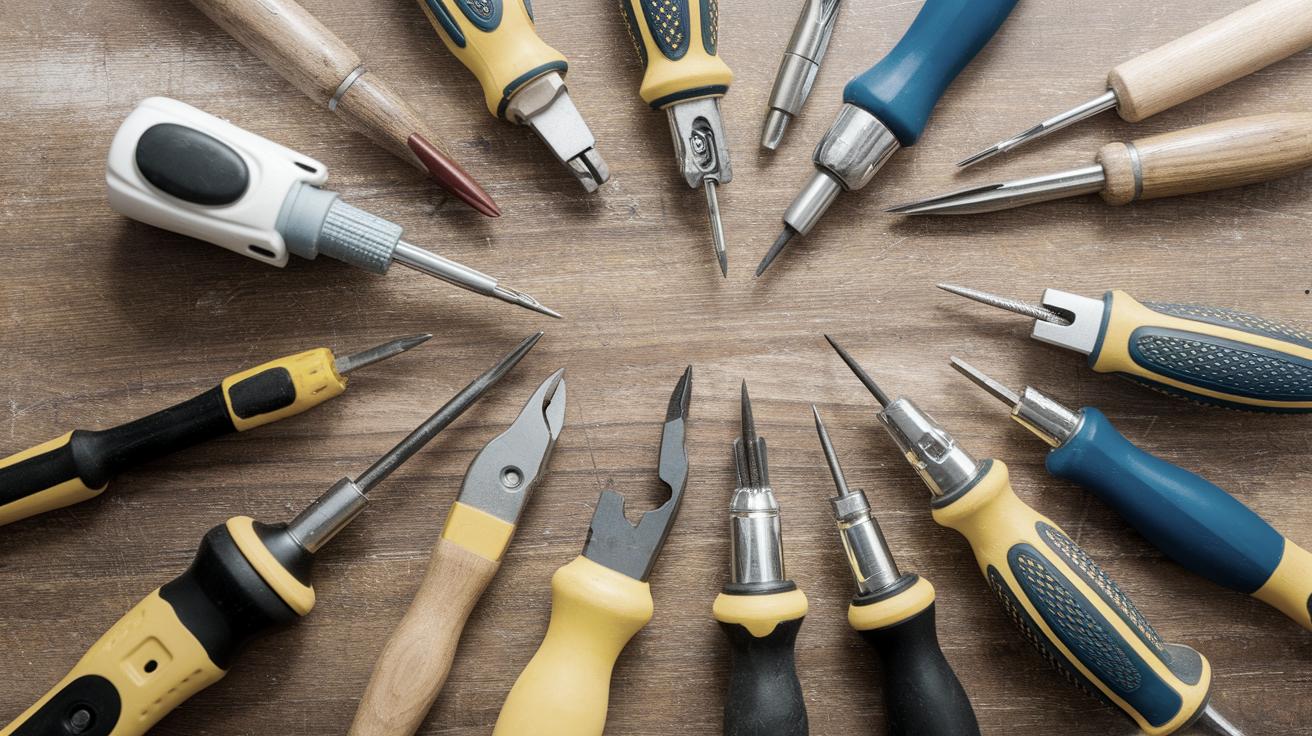
Starting with the essentials, every DIY enthusiast should stock their tool kit with a reliable set of hand tools. A sturdy hammer is crucial for any project, whether for assembling furniture or hanging artwork. Look for a hammer that feels comfortable to hold and has a balanced weight to ensure ease of use. A set of screwdrivers, both flathead and Phillips, will be necessary for tasks ranging from tightening loose screws to assembling projects from scratch.
Hand saws are indispensable for cutting wood or other materials to size. Choosing a fine-toothed saw can provide more precision for delicate work, while a larger tooth saw works well for more robust jobs. Lastly, a tape measure is a must-have for ensuring accuracy in measurements, an often overlooked yet vital component of successful restoration projects.
Basic Tool Kit for DIY Beginners – Secondary Items
Expanding your toolkit with secondary items can enhance your project capabilities. Pliers are incredibly versatile, assisting with gripping, bending, and cutting tasks. A good pair of needle-nose pliers will help you handle small objects and intricate components with ease. Additionally, locking pliers can serve as a temporary clamp, holding your materials steady while you work.
Sandpaper should not be overlooked, as it is essential for preparing surfaces by smoothing out imperfections. Consider having a variety of grits on hand—coarse for initial sanding and finer grits for finishing touches. Safety gear, like gloves and goggles, is also critical in safeguarding against potential hazards and should always be used when undertaking DIY projects.
Power Tools for DIY Beginners
Once you’ve mastered the basics, incorporating power tools can significantly increase the efficiency and scope of your restoration projects. A cordless drill is a versatile addition, useful for driving screws and drilling holes with ease. Ensure your drill comes with a variety of bit sizes to accommodate different tasks. Battery life and charging time are also crucial considerations in choosing the right drill for your needs.
A jigsaw is another powerful tool that stands out for its ability to cut shapes into various materials. It offers different blades suitable for wood, metal, or plastic, providing a plethora of creative possibilities. An orbital sander can save time and effort in large surface area projects or for achieving uniform smoothness on your materials. As always, ensure you understand the safety mechanisms and proper usage for each power tool to maintain a safe working environment.
FAQ
What materials are best for DIY restoration projects?
The choice of materials will largely depend on your specific project. However, wood, metal, and fabrics are common. Consider the tool requirements, potential challenges, and your comfort level with each material.
Can I start with just the basic tools?
Absolutely, starting with basic tools is an excellent approach for beginners. As your skills and confidence grow, gradually invest in more specialized tools as the need arises in your projects.
Related Blog Posts
-
How to Upcycle Old Furniture: Tips and Techniques
-
Safety Tips for DIY Enthusiasts
-
Creative Uses for Household Items in DIY Projects
Next Steps
| Category | Recommended Tools |
|---|---|
| Basic Tools – Essential | Hammer, Screwdrivers, Hand Saw, Tape Measure |
| Basic Tools – Secondary | Pliers, Sandpaper, Safety Gear |
| Power Tools | Cordless Drill, Jigsaw, Orbital Sander |